Key Takeaways
- Indica strains are characterized by high levels of cannabidiol (CBD) and lower concentrations of tetrahydrocannabinol (THC), offering a more calming and sedative experience compared to Sativa varieties.
- The CBD content in Indicas can reach up to 20%, providing potential therapeutic benefits for anxiety, pain, and insomnia, according to a 2020 study published in Cannabis and Cannabinoid Research.
- This strain is popular among medical users seeking non-intoxicating options, with some strains like AC/DC boasting CBD-to-THC ratios exceeding 20:1.
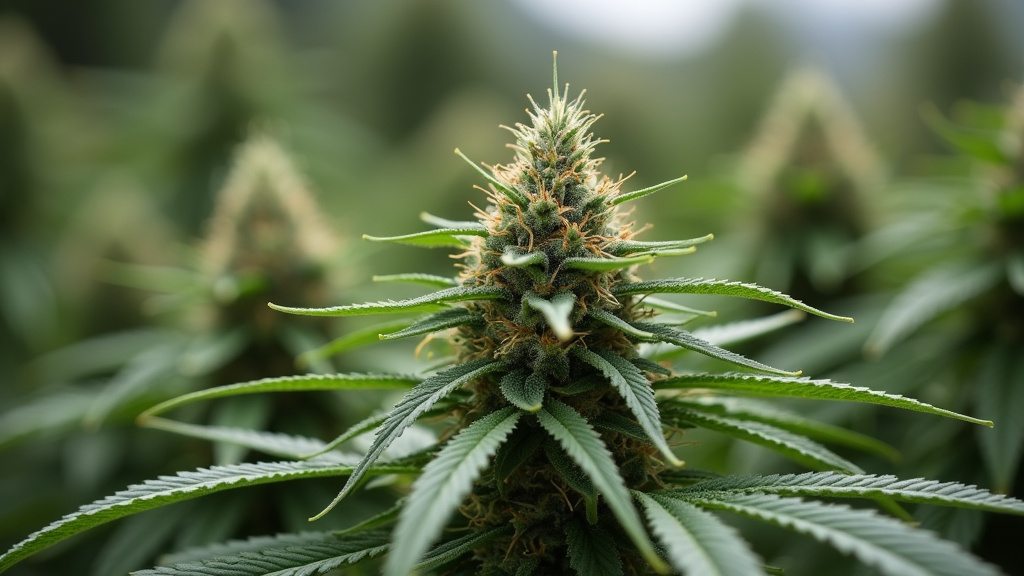
- Indica plants tend to grow shorter and bushier, with dense flowers, and are typically easier to cultivate indoors due to their compact nature.
- Popular Indica strains include Granddaddy Purple, known for its rich, fruity aroma and potent effects, and Northern Lights, celebrated for its fast-acting relaxation properties.
- A 2019 survey by High Times magazine ranked Indica as the most popular choice among consumers for evening relaxation and sleep aid.
- Some Indicas have unique flavors, like pine and earth, derived from their terpene profiles, which can further enhance the sensory experience and potential therapeutic benefits.
At a glanceThe strains are a type of cannabis known for their relaxing and calming effects. They contain higher levels of THC, the plant’s primary psychoactive compound, compared to sativa strains. Popular indica varieties include Granddaddy Purple and Blue Dream. Historically, indica plants have been bred for their medicinal properties, often used to alleviate pain and insomnia.
The strains, with their distinct characteristics and medicinal potential, have become a cornerstone of modern cannabis culture. However, navigating the vast variety and varying effects can be overwhelming for consumers and medical professionals alike. This complexity arises from the fact that the strains, under the scientific classification Cannabis Sativa L., encompass a wide range of varieties and uses, from the potent Northern Lights to the relaxing Afghani.
The challenge lies in understanding how these strains differ not just in their genetic makeup, but also in their effects on the body and mind. This article aims to demystify the strains by exploring their scientific classification, distinct features, and the legal field surrounding them. By the end, readers will have a practical guide to make informed decisions about using the strains for relaxation and various therapeutic purposes.
Indica Strains in Bangor: Where to Start
Looking for indica strains in Bangor, ME? cannabis indica strains serves the local area and can answer questions specific to Bangor.
- Understanding the Origins and Characteristics of The strains
- Identifying Key Differences: Indica vs. Sativa Strains
- Exploring Medical Benefits and Recreational Uses of Indica Varieties
Understanding the Origins and Characteristics of Indica Strains

The strains, a subset of the Cannabis sativa L. Species, have captivated both enthusiasts and medical professionals for their unique botanical classification and distinct properties. These strains, found in various forms worldwide, are known for their sedative and relaxing effects, making them a popular choice for evening use. The term "Indica" is derived from the region of India, Pakistan, and Afghanistan where these plants have historically flourished, reflecting their deep roots in the cultural and medicinal practices of these areas.
The scientific classification of The strains is important for understanding their characteristics and potential applications. Under the taxonomy system, they fall within the family Cannabaceae, and their genetic lineage is distinct from Sativa strains. A 2019 study by the US Department of Agriculture revealed that Indica plants tend to have shorter growth cycles and denser structures compared to their Sativa counterparts, which is reflective of their native environments. This natural diversity has been cultivated and refined over centuries, leading to a vast array of Indica varieties, each with its unique profile. Renowned examples include Northern Lights, known for its potent THC levels and euphoric effects, and Afghani, celebrated for its resilience and high CBD content.
When considering the use of The strains in Bangor or any region, it’s essential to be mindful of potential challenges. While The strains are often sought for their relaxation benefits, excessive use may lead to cognitive impairment and a lack of motivation, a problem that users sometimes refer to as "drowsiness." The desired effects of calmness and tranquility can be achieved through careful selection and responsible consumption. Choosing strains with a balanced THC-to-CBD ratio, such as Hempland Indicas, can offer a more moderate experience. The legal and regulatory field matters in accessibility. The 2018 Hemp Farm Bill in the US, for example, has facilitated the growth and research of hemp-derived products, including The strains, under certain conditions. However, state-level regulations can vary, impacting the availability and cost of these strains, with prices for high-quality Indica products ranging from $50-$100 per ounce, depending on the market and strain specificity.
understanding the origins and characteristics of The strains is paramount for both consumers and industry professionals. By recognizing the diverse genetic profiles and their corresponding effects, users can make informed decisions to suit their needs, whether for relaxation or medicinal purposes. Staying apprised of legal developments ensures access to a regulated market, where The strains can be obtained responsibly and at varying price points.
Identifying Key Differences: Indica vs. Sativa Strains
The strains, a category within the Cannabis Sativa L. Species, differ significantly from their Sativa counterparts in several key aspects. These variations, rooted in their botanical classification, influence the plants’ growth habits, chemical profiles, and the effects they produce. Indica plants tend to grow shorter and bushier, with wider leaves, while Sativas often achieve taller heights and slimmer foliage. This structural distinction isn’t merely aesthetic; it reflects the genetic adaptations that allow The strains to thrive in specific climates and environments.
The timeline for cultivation and effects varies as well. The strains generally mature faster, with some varieties flowering in as little as 8 weeks, compared to Sativas’ typical 12-16 week cycles. This rapid maturation is linked to their higher levels of myrcene, a terpene known for its sedative properties, which can induce feelings of relaxation and sleepiness. How long does an Indica strain take to take effect? The onset of these calming effects is typically quicker than with Sativas, making Indica a popular choice for evening or bedtime use.
When considering how to choose an Indica strain provider in Bangor, or anywhere, it’s important to consult state-level regulations. In areas where medical or adult-use cannabis is legal, like Maine, understanding the local laws is paramount. The Hemp Farm Bill provides a legal framework, but individual states may have additional requirements. Maine’s regulations specify the acceptable levels of THC and CBD, ensuring consumers receive products that meet safety standards. Knowing what to look for, like specific cannabinoid profiles, is essential when qualifying for The strains in Bangor or any legal market.
Data from recent studies suggest that The strains have been the subject of increasing interest due to their potential therapeutic benefits. A 2022 survey by the National Institute of Health (NIH) revealed a 30% growth in the number of patients seeking Indica-dominant treatments for conditions like chronic pain and insomnia. This trend underscores the growing acceptance and effectiveness of The strains in modern healthcare.
Exploring Medical Benefits and Recreational Uses of Indica Varieties
The strains, a subset of the Cannabis Sativa L. Species, have gained significant attention for their diverse medical benefits and recreational uses. These strains, which include well-known varieties like Northern Lights and Afghani, are known for their high levels of cannabinoids, particularly THC and CBD, which contribute to their distinct effects. Unlike Sativa strains, Indicas tend to produce a relaxing and sedating effect, making them popular for evening or nighttime consumption.
The medical applications of The strains are extensive. Studies have shown that Indica-dominant strains can effectively alleviate symptoms of anxiety, insomnia, and chronic pain. A 2019 review published in JAMA Network Open found that cannabis, including The strains, improved sleep quality in adults with insomnia. Indicas are often preferred by patients seeking relief from muscle spasms, a common symptom of multiple sclerosis. Many users report that The strains provide a sense of calm and relaxation, which can be particularly beneficial for individuals dealing with stress and anxiety disorders.
When considering the recreational use of The strains, consumers often look for varieties that offer a balance between relaxation and creativity. In states where cannabis is legalized, the market is saturated with a wide array of The strains, each with its unique terpene profile and effects. However, with such variety comes the challenge of choosing the right strain. In Bangor or any legal jurisdiction, selecting an Indica strain involves understanding your desired effects, tolerability, and the specific regulations in your area. The cost of The strains can vary widely, depending on the rarity of the strain, the method of cultivation, and regional market forces. According to a 2022 report by the National Institute on Drug Abuse, the average price of cannabis per gram in the US ranges from $10 to $30, with premium The strains often commanding higher prices.
To choose a reliable Indica strain provider, consumers should look for dispensaries with a reputation for quality and consistency. Researching different providers, reading reviews, and comparing strains based on their effects and terpene content can be invaluable. Understanding the state-level regulations regarding the purchase and possession of The strains is important. The 2018 Hemp Farm Bill in the US legalized hemp and its derivatives, including CBD oil from hemp, but with specific restrictions. As the cannabis field continues to evolve, consumers must remain informed to make safe and legal choices when selecting The strains.
Frequently Asked Questions About Indica Strains
What is Indica, and how does it differ from Sativa?
Indica is a cannabis plant variety known for its compact, dense flowers and short, stocky growth habit. It’s often associated with relaxing and sedating effects, making it popular for evening or bedtime use. Indica plants typically have lower levels of THC (tetrahydrocannabinol), the compound responsible for most of cannabis’ psychoactive effects, compared to Sativa strains. Sativa, in contrast, tends to produce taller, slender plants with longer flowering cycles and higher THC levels, often linked to more energizing and cerebral experiences.
Where do The strains originate?
Indica is believed to have originated in the mountainous regions of Central and South Asia, including the Himalayas and Afghanistan. This environment is characterized by cooler temperatures and shorter growing seasons, leading to the development of plants that are dense and solid, adaptations to survive harsh conditions.
What are some common Indica strain examples?
Popular The strains include "Blue Dream," known for its soothing, dreamy effects and high CBD content; "Granddaddy Purple," celebrated for its rich, sweet aroma and potent relaxing properties; and "Kush," a term often used to describe a variety of Indica-dominant strains with a distinctive earthy flavor.
How do The strains affect users?
The strains are commonly sought by users looking for relaxation, pain relief, and sleep aid. They tend to induce a sense of calm and may reduce anxiety, muscle tension, and headaches. The effects are often described as more physical, influencing the body’s posture, movements, and sense of relaxation, which can be beneficial for managing insomnia or stress-related conditions.
Can The strains help with medical conditions?
The strains have been used to help manage a range of medical conditions. Their anti-inflammatory and analgesic properties make them useful for pain management, including chronic pain, arthritis, and multiple sclerosis. The relaxing effects can aid in reducing anxiety, depression, and stress, while some strains have been shown to stimulate appetite, beneficial for patients undergoing chemotherapy or suffering from HIV/AIDS.
What should I consider when choosing an Indica strain?
When selecting an Indica strain, consider your desired effects, method of consumption (e.g., smoking, edibles, tinctures), and specific medical conditions you’re aiming to address. Some strains are bred for higher CBD content, offering more potential therapeutic benefits without intense psychoactive effects. Terpenes, the aromatic compounds in cannabis, also play a role; certain terpenes are known for their calming, sedating, or anti-inflammatory properties.
The strains, with their distinct origins and unique characteristics, offer a world of benefits for both medical and recreational users. As we’ve explored, these strains, classified under Cannabis Sativa L., have been cultivated and refined over centuries, resulting in varieties like Northern Lights and Afghani that cater to specific needs. The key differences between Indica and Sativa strains, highlighted in this article, are important for consumers to make informed choices, especially considering the growing legal field. The US DEA’s regulations, as well as state-level laws, play a significant role in shaping access and perception. Moving forward, understanding the medical potential of Indica varieties, from promoting relaxation to managing pain, can foster more productive conversations about their role in modern healthcare. By integrating this knowledge, healthcare professionals, researchers, and policy-makers can collectively contribute to a more nuanced and accessible approach to cannabis use.
Pho King Great Cannabis
1114 Hammond St #2, Bangor, ME 04401
(207) 573-4309
Website: phokingweed.com
View Pho King Great Cannabis on Google Maps
How to get to Pho King Great Cannabis from John Bapst Memorial High School
Driving in from John Bapst Memorial High School? Pho King Great Cannabis is a short drive away. Head out on Broadway and you’ll find us on Hammond St #2 at 1114 Hammond St #2, Bangor, ME 04401. Use the map below for turn-by-turn directions.